 |
 |
 |
 |
 |
 |
 |
 |
 |
|||
 |
 |
|
|||||||
 |
|||||||
 |
|||||||
 |
|||||||
 |
|||||||
|
|||||||







|
||||||
 |
||||||
 |
||||||
 |
||||||
|






 |
 |
 |
 |
 |
 |
 |
chevy new car warranty insights for careful, benefit-focused driversWhat the coverage is designed to doAt its best, a chevy new car warranty separates surprise expenses from the normal cost of owning a new vehicle. It exists to keep the car dependable in its early years and to shoulder defects, not wear. You get peace of mind, but you also get rules. That balance matters. Core coverage, in plain terms
Typical time and mileage windowsExpect something like 3 years/36,000 miles for bumper-to-bumper and 5 years/60,000 miles for powertrain on many recent U.S. Chevrolet models. EV battery coverage commonly extends near 8 years/100,000 miles. Exact terms vary by model year, region, and vehicle, so double-check your booklet or the digital warranty summary tied to your VIN. Real-world momentAt 28,400 miles, I watched a service advisor pull up a 2023 Equinox's file after a driver reported a rough shift and a warning light. They verified the in-service date, scanned for codes, confirmed powertrain coverage, and arranged courtesy transportation. The repair was covered, but only after the tech ruled out a tune-related modification the owner had briefly considered months prior. Not dramatic - just a reminder that small details steer outcomes. What it does not cover (the fine print that matters)
How to use the warranty smoothly
If your situation is graySoft truth: eligibility can come down to interpretation. If you feel stuck, politely escalate, ask them to reference the exact warranty code or bulletin, and verify the policy against your VIN. Sometimes goodwill adjustments exist for close-call cases. EV and hybrid twistFor Chevrolet EVs, the propulsion battery and high-voltage components often carry coverage that outlasts the general warranty by years. Capacity retention standards and diagnostics matter here. Keep software up to date, document charging habits if asked, and clarify what "normal degradation" means for your model. Benefits you can bank on
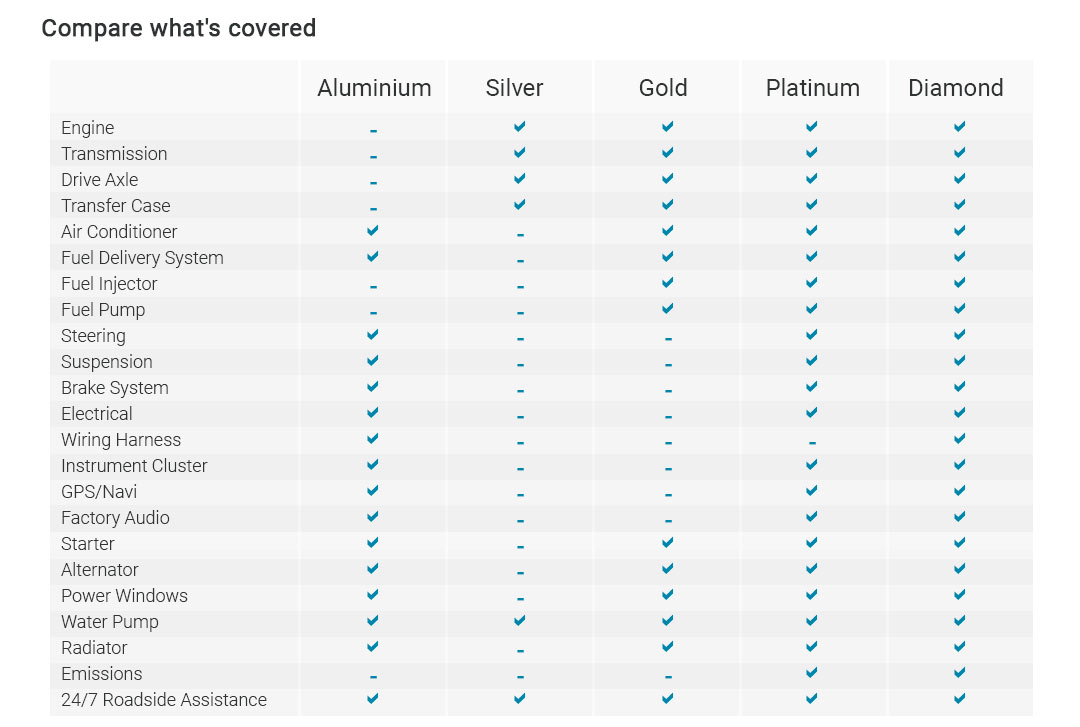
Considering optional coverageIf you keep cars a long time or rack up miles, an extended protection plan can make sense. If you trade early and drive gently, maybe not. Compare cost to likely risk, confirm what's truly added beyond the factory warranty, and read exclusions with care. Quick checklist before delivery
Bottom line: The chevy new car warranty is genuinely helpful, and it's even better when you understand its edges. A little diligence, documented maintenance, and clear questions turn it into a real benefit rather than a maybe.
Main Topic:
Chevy Warranty
https://www.chevroletofnaperville.com/advantages-of-the-chevrolet-warranty-program/?srsltid=AfmBOor6MvaKvia25whGmUVVZB7ep_U_o3Uduu3XaiXxse7WIKwmechN
Vehicle Coverage - 3-year/36,000-mile Bumper-to-Bumper Warranty. Chevy covers the electronics, sheet metal, and tires from defect for the first 3-years or 36,000 ... https://www.phelps-chevrolet.com/the-new-chevrolet-warranty-program-explained.html
This warranty is extended to 100,000 miles if you choose a fleet vehicle. Certified Pre-Owned Warranty. However, you don't have to buy new to get excellent ... https://www.pendarvischevy.com/chevrolet-extended-protections.htm?srsltid=AfmBOop9mTivIM2srzHSuqkkGgMa7DoTwR-kzd0MNm8WsZHevIUANMlg
Your new Chevrolet comes with a standard 3-year/36,000-mile limited warranty. Or you can choose the 5 year/60,000 mile Chevrolet Extended Limited Warranty. An ...
|
